
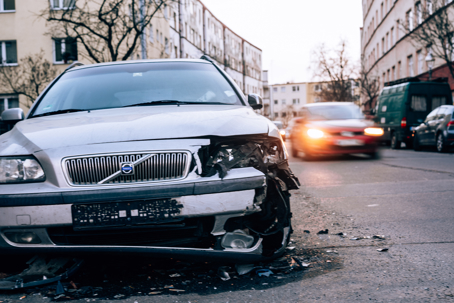
Disputes over liability are common after car, truck, or motorcycle accidents. In many cases, the parties involved may have different accounts of what happened, or insurance companies may challenge who is responsible. When liability is unclear, the claims process often becomes more complex and requires a detailed review of the evidence and legal standards.
Understanding what happens when liability is disputed can help accident victims better prepare for the challenges that may arise during their case.
How Liability Is Initially Determined
After an accident, liability is typically assessed first from police reports, witness statements, and the drivers' statements. Insurance companies also conduct their own investigations, which may include reviewing photographs, video footage, and vehicle damage.
However, initial determinations are not always final. In disputed cases, each side may present conflicting interpretations of the evidence, necessitating a deeper examination of the facts.
Common Reasons Liability Is Disputed
There are several reasons why liability may be contested after an accident. One of the most common is conflicting driver statements. Each party may believe they followed traffic laws, leading to disagreement over who caused the crash.
Other factors include a lack of clear evidence, multiple vehicles involved, or unclear traffic conditions. In commercial vehicle accidents, additional parties, such as employers or maintenance providers, may become involved, further complicating the issue.
The Role of Evidence in Disputed Cases
When liability is unclear, evidence becomes the foundation of the case. This may include traffic camera footage, vehicle data, skid mark analysis, and expert accident reconstruction. Medical records can also help establish the severity and timing of injuries, which may support a party’s version of events.
The stronger and more detailed the evidence, the more effectively liability can be determined. In many cases, small details can significantly influence the outcome.
Comparative Fault and Shared Responsibility
Florida’s comparative negligence system allows fault to be divided among multiple parties. This means that even when liability is disputed, it is still possible for more than one party to be found partially responsible.
If a claimant is found partially at fault, their compensation may be reduced accordingly. This makes accurate fault determination especially important in disputed cases, as it directly affects financial recovery.
Insurance Company Challenges
Insurance companies often play a central role in liability disputes. They may attempt to limit payouts by arguing that their insured party was not fully responsible or that the claimant shares a greater portion of fault.
These disputes can delay settlements and complicate the claims process. As a result, claims involving disputed liability often require additional negotiation or legal action to reach a resolution.
Why Legal Guidance Matters in Disputed Liability Cases
When liability is contested, having a clear understanding of legal rights and available evidence becomes especially important. These cases often require a careful review of facts and a structured approach to presenting a claim.
Legal representation can help ensure that all relevant evidence is considered and that liability is evaluated fairly under Florida law.
Jacksonville Auto Vehicle Accident Attorneys
If you are involved in a dispute over liability after an accident, contact Edwards & Ragatz, P.A. today at (904) 295-1050 to discuss your legal options and next steps.