
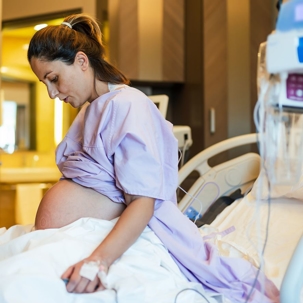
The day your baby is born is supposed to be joyful, yet many Jacksonville parents leave the hospital with more questions than answers about what went wrong in the delivery room. You may have watched monitors beep, staff rush in and out, or heard terms like “fetal distress” or “emergency C-section” without any clear explanation afterward. Then you go home to face NICU follow-ups, therapies, or a difficult diagnosis, while everyone around you says that sometimes “these things just happen.”
At Edwards & Ragatz, P.A., we have spent many years helping families across Jacksonville and Duval County sort through exactly these kinds of questions in complex medical malpractice and birth injury cases. Our attorneys bring more than 150 years of combined trial experience, and our team has secured hundreds of millions of dollars in verdicts and judgments in Florida medical malpractice matters, including a $178 million verdict that ranks among the largest in the state. We know how powerful these baby malpractice myths can be, and we know how to investigate what truly happened so families can make informed choices for their children.
Many parents believe they can’t pursue a Jacksonville baby malpractice claim—but the truth is often very different. Reach out to Edwards & Ragatz, P.A. for clear answers. Call (904) 295-1050 or contact us today.
Myth: A Bad Birth Outcome Means No One Did Anything Wrong
After a traumatic delivery or NICU stay, hospitals often describe what happened as a “rare complication” or say that nothing could have changed the outcome. Parents understandably want to believe that the team did everything possible. Many never hear anyone suggest that delays, missed warning signs, or poor communication in the delivery room might have contributed to their baby’s injuries. This myth is one of the strongest because it taps into your trust in doctors and your fear of blaming yourself.
From a legal standpoint, the key question is not whether complications can happen, but whether the medical team met the medical standard of care. In plain language, the standard of care is what a reasonably careful doctor, nurse, or hospital in Jacksonville would do in the same situation. If your providers fell below that standard and that failure caused harm to your baby, then it may be medical malpractice, even if the complication itself is a known risk. The difference between an unavoidable complication and malpractice often lies in what the records show about how warning signs were handled.
Consider a common scenario involving fetal distress. During labor, nurses and doctors watch the fetal heart rate on the monitor. Certain patterns suggest that the baby is not getting enough oxygen. In many preventable brain injury cases, those “non-reassuring” patterns appear for a significant period of time before anyone calls the doctor, changes the mother’s position, or moves to an emergency C-section. If the team waits too long, the baby can suffer hypoxic-ischemic encephalopathy, a type of brain damage caused by a lack of oxygen. In the chart, we may see hours of concerning patterns with no action, which looks very different from the story families are told.
Myth: Signing Consent Forms Means You Cannot Bring a Baby Malpractice Claim
Many parents remember signing a stack of forms before labor, a C-section, or the use of tools such as forceps or a vacuum. Later, when something goes wrong, they feel trapped by those signatures. They may hear comments like, “You knew the risks,” and assume that by signing, they agreed not to question the care they received. This belief can stop families from even asking a lawyer to look at the records.
Informed consent forms are meant to document that your medical team described the nature of a procedure, common risks, and alternatives, and that you agreed to proceed. They do not give anyone permission to provide careless or substandard treatment. Even if a shoulder dystocia or emergency C-section is a known risk of childbirth, your providers must still respond to that risk using the care and skill that other reasonably careful providers in Jacksonville would use in the same situation. A form that lists “nerve injury” as a risk does not excuse a doctor who uses excessive force during delivery and tears your baby’s brachial plexus nerves.
When we evaluate potential baby malpractice claims in Jacksonville, we always obtain and read the consent forms along with the rest of the chart. We look at what the providers said they would do, what risks they claimed to discuss, and how that compares with the care actually documented in labor and delivery. Often, the consent paperwork supports the family’s position because it shows that certain steps were promised or certain risks were known, yet the team still failed to act like reasonably careful professionals when those risks became real.
Myth: Baby Malpractice Cases Are Almost Impossible to Win
There is no question that baby malpractice cases are complex. They often involve multiple providers, thousands of pages of records, and highly technical medical questions about what caused a child’s condition. Hospitals in Jacksonville and their insurers invest heavily in their defense. However, complexity is not the same as impossibility. With a thorough investigation, the right experts, and a trial-ready approach, these cases can and do lead to meaningful recoveries for families.
At Edwards & Ragatz, P.A., we have seen this firsthand. Our attorneys have recovered hundreds of millions of dollars in verdicts and judgments in Florida, including a $178 million medical malpractice verdict that ranks among the largest in the state. Results in any future case will depend on its specific facts, but these outcomes show that juries can and do hold medical providers responsible when evidence supports that negligent care caused harm. They also show that we know how to build and present complex medical cases in court against well-funded hospital systems and insurers.
Myth: Pursuing a Claim Will Hurt My Baby’s Ongoing Medical Care
Many parents worry that filing a malpractice claim will anger their baby’s doctors or cause them to lose access to needed care. In a city like Jacksonville, where certain pediatric specialists or therapy programs may be limited, the idea of jeopardizing those relationships is frightening. Some families also rely on the same hospital system for other children or for their own care, which increases the sense of risk.
In reality, malpractice claims almost always proceed through risk management departments, insurance companies, and defense lawyers, not through the day-to-day staff treating your child. The legal process focuses on the care provided during a particular time window, such as your labor and delivery or early newborn period. It does not give anyone permission to deny medically necessary treatment going forward. Providers have professional and ethical duties to treat patients according to medical needs, regardless of legal disputes, and many families continue to receive care while a claim is pending.
Some parents choose to transition to new providers for their own comfort, especially if trust has been damaged. Others prefer to stay with certain specialists who know their child’s condition well. Part of our role is to talk with you about these choices and how the legal process may interact with them. We focus our efforts on the responsible institutions and insurers, not on punishing the frontline caregivers who are currently helping your child, unless the facts show that those specific individuals caused harm.
Myth: I Have Plenty of Time To Decide About a Baby Malpractice Claim in Jacksonville
Because babies and young children cannot bring claims on their own, parents often assume there is a very long window to pursue a malpractice case. Some are told that they can “always sue later” if problems continue, especially when the full extent of a child’s disabilities will not be clear for years. This belief can be dangerous because the medical malpractice timing rules in Florida are stricter and more complex than many people realize.
Florida law sets specific deadlines for filing medical malpractice claims, known as statutes of limitation and statutes of repose. These rules generally measure time from when the malpractice occurred and, in some cases, from when the injury was or should have been discovered. There are special provisions for minors, but those do not give unlimited time, and the interaction between these rules can be complicated. The crucial point is that waiting too long can permanently bar a claim, even if your child’s needs are obvious and severe.
Beyond legal deadlines, delay makes it harder to uncover what really happened. Hospitals have record retention policies that can affect how long fetal monitoring strips, internal emails, and other data are stored.
We understand that parents often want to “wait and see” how their child develops before taking legal action. That instinct comes from hope, not neglect. Our advice is not to wait to seek information. Talking with a Jacksonville malpractice attorney early does not commit you to filing a lawsuit. It does allow us to identify applicable deadlines, secure critical records, and begin understanding how your child’s diagnosis fits with the medical care described in the chart.
Myth: My High-Risk Pregnancy Or Baby’s Condition Means It Could Not Be Malpractice
High-risk pregnancies are common, especially when mothers have conditions such as diabetes, high blood pressure, twins or multiples, or a history of prior C-sections. Parents who fall into these categories often hear, “You were high risk from the start,” or “Your baby had problems long before labor.” These messages can lead families to assume that whatever happened in the hospital was inevitable and that questioning the care is unfair.
In truth, high-risk pregnancies call for more careful monitoring and timely decision-making, not less. Obstetric providers in Jacksonville know that certain conditions increase the chance of complications, such as uterine rupture, placental abruption, preterm delivery, or fetal distress. When risk factors are present, the standard of care generally calls for closer observation, appropriate testing, and specific responses to warning signs. If those steps are skipped or delayed, the fact that a pregnancy was high-risk does not shield the providers from responsibility.
We also see cases where providers quickly blame genetics for a baby’s brain injury or developmental delays, without strong support in the medical records. Defense teams often argue that injuries occurred long before labor or are entirely unrelated to delivery events. At Edwards & Ragatz, P.A., we work with maternal-fetal medicine and neonatal professionals through our network to review prenatal testing, ultrasound results, and labor records together. These professionals help us distinguish between injuries that likely stem from preexisting conditions and those that show patterns of preventable oxygen deprivation, infection, or trauma during labor and delivery.
Myth: Bringing a Baby Malpractice Claim Is About Blaming, Not Helping My Child
Parents often carry a heavy mix of guilt and loyalty after a traumatic birth. You might think, “The nurses were kind,” or “The doctor tried so hard,” and feel that filing a claim is a betrayal. At the same time, you see your baby working through therapy, facing surgeries, or struggling to reach milestones. The idea of turning that pain into a legal case can feel cold, as if you are reducing your child’s story to paperwork and numbers.
From our perspective, a baby malpractice claim is not about punishing every person involved in your care. It is about asking fair questions, uncovering the truth, and seeking resources that your child will need for years or decades to come. The civil justice system is one of the few tools families have to require hospitals and insurers to answer detailed questions under oath, produce internal documents, and pay for harm when negligence is proven. Without that process, many parents never learn what really happened in the delivery room or why certain decisions were made.
At Edwards & Ragatz, P.A., we work closely with families to understand their goals and their child’s daily reality before we ever talk about numbers. We know that no amount of money can undo a birth injury or give your child back the life you imagined. What legal action can do is create a path for better care and provide answers that hospitals may not volunteer on their own. We also pride ourselves on treating families as people, not files, and we approach these cases with empathy for both your grief and your hopes for your child’s future.
How We Investigate Jacksonville Baby Malpractice Claims
When you contact a Jacksonville baby malpractice attorney, you deserve clarity about what happens next. Our role is to take on the legal and investigative burden so you can focus on your child’s care, while keeping you informed at every stage.
Here is how we approach a baby malpractice claim:
- Listening and Case Intake: We begin by listening carefully to your birth story, your baby’s medical course, and what you were told at the hospital. This conversation helps us identify early red flags and understand your concerns before we ever request a single record.
- Comprehensive Medical Record Review: We obtain and analyze the full set of records, including prenatal care, labor and delivery notes, fetal monitoring strips, anesthesia records, NICU charts, imaging, and follow-up care. This detailed review often reveals delays in response, breakdowns in communication, or missed warning signs that are not obvious at first glance.
- Consultation With Medical Professionals: Through our established network, we work with obstetricians, maternal-fetal medicine specialists, neonatologists, pediatric neurologists, and experienced nurses. Together, we evaluate whether the care met the accepted standard in Jacksonville and whether different actions could have changed the outcome.
- Florida’s Pre-Suit Malpractice Process: Florida law requires a formal pre-suit investigation before filing a medical malpractice lawsuit. We prepare and serve the required notice of intent to sue, supported by a qualified medical opinion stating that there are reasonable grounds to believe negligence occurred. We handle these technical requirements and communications with hospitals and insurers on your behalf.
- Strategic Case Development: With more than 150 years of combined legal experience, including backgrounds as former prosecutors and insurance defense attorneys, our team anticipates how hospitals and insurers may defend these claims. Our record of significant malpractice verdicts in Florida demonstrates that we prepare cases thoroughly and are ready for trial when necessary.
Throughout this process, we prioritize regular updates, flexible meeting options, and clear explanations. The goal is not only to investigate what happened, but to give your family confidence that your concerns are being taken seriously and handled with care.
You Do Not Have To Face Baby Malpractice Alone
Baby malpractice myths in Jacksonville can leave parents feeling isolated, guilty, and powerless. You may have been told that nothing more can be done, that your consent forms tied your hands, or that your high-risk pregnancy made everything inevitable. The truth is more complicated. Some outcomes truly are unavoidable. Others grow out of preventable mistakes that hospitals and insurers have every reason to minimize. The only way to know which category your family falls into is through a careful, independent review of your records and story.
Edwards & Ragatz, P.A. helps families move past misconceptions and take informed action. Call (904) 295-1050 or contact us for a free consultation.