
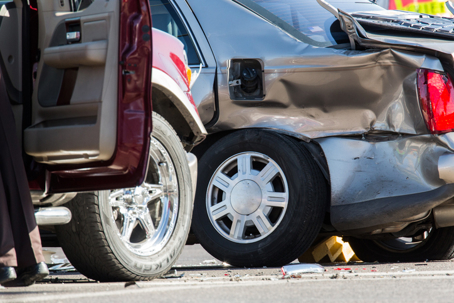
A car accident can leave you dealing with far more than vehicle damage. Medical bills, missed work, ongoing treatment, and changes to your daily life can create financial pressure at a time when you are already trying to recover. Those concerns can become even more complicated when the driver responsible for the crash has little or no insurance.
Many people assume that identifying the at-fault driver automatically means there will be an insurance company ready to pay for their losses. Unfortunately, that is not always the case. When the other driver’s coverage is insufficient, determining where compensation may come from can require a closer examination of the available insurance policies and the circumstances surrounding the collision.
What Does It Mean to Be Uninsured or Underinsured?
An uninsured driver generally lacks liability insurance to cover injuries or losses caused by a crash. An underinsured driver may have insurance, but the available policy limits may not be enough to address the full extent of the damages.
For example, a serious collision can result in substantial medical treatment, lost income, rehabilitation, and other losses. If the responsible driver’s policy provides only limited coverage, that policy may not be enough to address everything an injured person has experienced.
This distinction matters because an insurance investigation should not necessarily end after the other driver’s policy limits are identified. There may be additional coverage that needs to be evaluated.
Could Your Own Insurance Policy Provide Coverage?
Depending on the circumstances, your own automobile insurance policy may provide uninsured motorist or underinsured motorist coverage. These types of coverage can potentially become important when the driver responsible for a collision does not have enough liability insurance to address your claim.
The details of these policies can vary. There may be specific requirements, exclusions, limits, or other provisions that affect whether coverage is available and how a claim must be handled.
This is one reason it is important not to assume that the other driver’s insurance situation tells the entire story. Your own policy may need to be reviewed carefully, along with any policies that may apply to the vehicle or other involved parties.
Why Insurance Coverage Can Become Complicated After a Crash
A motor vehicle accident can involve more than two people and more than one insurance policy. The responsible driver may have one policy, while an injured passenger may have another. A vehicle may be owned by someone other than the person driving it. There may also be additional circumstances that require an investigation into whether another party or source of coverage could be relevant.
Insurance companies also have their own procedures for evaluating claims. An adjuster may request medical records, accident reports, statements, photographs, employment information, or other documentation. The information gathered during this process can affect how the insurer evaluates the claim.
That does not mean every claim becomes a dispute. However, when injuries are significant or insurance coverage is limited, understanding what policies may apply can become particularly important.
What Should You Preserve After an Accident?
If you are involved in a Jacksonville car accident with an uninsured or underinsured driver, preserve information related to the collision and your resulting losses.
This can include the crash report, photographs of the vehicles and scene, insurance information, medical records, medical bills, receipts, documentation of missed work, and correspondence from insurance companies. Keep copies of anything you submit or receive.
You should also be cautious about providing recorded statements or signing documents before you understand what you are agreeing to. An insurance company may ask questions as part of its investigation, but you are not required to navigate a complicated claim without legal guidance.
How Can an Attorney Help With an Uninsured or Underinsured Claim?
When insurance coverage is limited, the question is not simply whether another driver caused the crash. A thorough evaluation may also involve determining what insurance policies exist, what coverage may apply, how the accident occurred, and what damages resulted from the collision.
An attorney can investigate the circumstances of the crash, review applicable insurance policies, gather documentation to support your losses, communicate with insurers, and help determine which legal options may be available.
At Edwards & Ragatz, P.A., we understand that an uninsured or underinsured driver can make an already difficult situation more complicated. If you were injured in a Jacksonville-area car accident, you do not have to determine your options alone.
Contact Edwards & Ragatz, P.A. After a Jacksonville Car Accident
If another driver caused your Jacksonville car accident and you are concerned about whether there is enough insurance coverage to address your losses, it may be worthwhile to have your situation reviewed. The available options depend on the specific facts and insurance policies involved.
Contact Edwards & Ragatz, P.A. at (904) 295-1050 to discuss your accident and learn more about the legal options that may be available to you.