
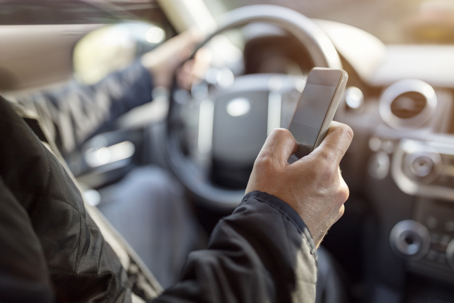
Distracted driving can turn an ordinary trip into a serious collision in seconds. A driver may be looking at a phone, adjusting a navigation system, reaching for something, talking to a passenger, or otherwise focusing on something other than the road. When that distraction contributes to a crash, identifying what happened can become an important part of an injured person’s claim.
The challenge is that distraction is not always obvious after a collision. A driver may deny using a phone or claim that they were paying attention. Witnesses may not have seen what happened inside the vehicle. The physical evidence at the scene may tell only part of the story.
Proving distracted driving, therefore, often requires looking beyond the initial accident report.
What Evidence Can Show That a Driver Was Distracted?
Evidence in a distracted-driving case can take several forms. No single piece of evidence necessarily tells the entire story. Instead, information from different sources may help establish what the driver was doing before the collision.
Phone records can sometimes become relevant when there is a dispute over whether a driver was using a mobile device. Depending on the circumstances and the legal process involved, records may help establish activity around the time of a crash.
Witness statements can also be valuable. Someone who saw a driver looking down, holding a phone, reaching across the vehicle, or failing to respond to traffic may have information that is not captured in the official crash report.
Photographs and video may provide additional evidence. Dashcam recordings, traffic camera footage, surveillance footage from nearby businesses, and other recordings may show a driver’s movements or behavior leading up to the collision.
Why the Accident Scene Can Matter
The location of a crash can provide clues about what happened. Vehicle positions, skid marks, roadway conditions, traffic signals, damage patterns, and the sequence of events can all help reconstruct a collision.
Consider a driver who travels through an intersection without responding to stopped traffic ahead. The physical evidence alone may not prove that the driver was looking at a phone. However, when the scene evidence is considered alongside witness accounts, video, phone records, or other information, it may help establish a clearer picture.
This is why preserving evidence early can be important. Some forms of evidence may not remain available indefinitely.
What If the Driver Says You Caused the Crash?
Distracted-driving claims can become more complicated when the other driver attempts to shift responsibility onto you.
For example, a driver may argue that you stopped unexpectedly, changed lanes improperly, or otherwise caused the collision. Florida’s comparative-fault rules can make questions of responsibility especially important in a personal injury case.
The focus should not simply be on one driver’s version of events. A careful investigation can examine the available evidence and compare each person’s account with the physical facts.
That may include reviewing photographs, vehicle damage, traffic signals, witness testimony, video footage, medical records, and other relevant information.
How Can Medical Records Help Establish the Impact of a Crash?
Evidence of distracted driving addresses how a collision happened, while medical documentation can help establish what happened afterward.
Following a serious crash, medical records may document the injuries diagnosed, treatment provided, recommended follow-up care, and how those injuries affect a person’s daily life. Documentation of lost work or other financial losses can also become relevant.
It is important to keep records connected to the accident. Medical bills, treatment information, employment documentation, photographs of injuries, and other records can help create a clearer picture of the crash's consequences.
Why Should You Be Careful When Speaking With Insurance Companies?
After a crash, an insurance company may contact you to ask questions about what happened. While the insurer has an interest in investigating the collision, its interests may not always align with yours.
Statements about the accident, your injuries, or your activities can become part of the claim evaluation. If the circumstances are disputed, it may be helpful to understand your rights and options before making statements or agreeing to a settlement.
An attorney can also help identify evidence that may otherwise be overlooked. This can include investigating the other driver’s conduct, preserving relevant records, examining available video, and evaluating the evidence supporting liability.
How Can Edwards & Ragatz, P.A. Help After a Distracted Driving Accident?
A distracted-driving case may require more than simply establishing that another driver was careless. The evidence needs to connect the driver’s conduct to the collision and the injuries that followed.
At Edwards & Ragatz, P.A., our team can investigate the circumstances surrounding your Jacksonville car accident, examine available evidence, communicate with insurance companies, and work to build a case based on the facts.
If you believe another driver’s distraction caused your injuries, getting legal guidance can help you understand what evidence may be important and what options may be available.
Contact Edwards & Ragatz, P.A. About Your Jacksonville Car Accident
If you were injured in a Jacksonville-area collision and believe distracted driving played a role, you do not have to investigate the circumstances on your own.
Contact Edwards & Ragatz, P.A. at (904) 295-1050 to discuss your accident and learn more about your legal options.